
Published | By Field of Dreams Lawn Care Inc.
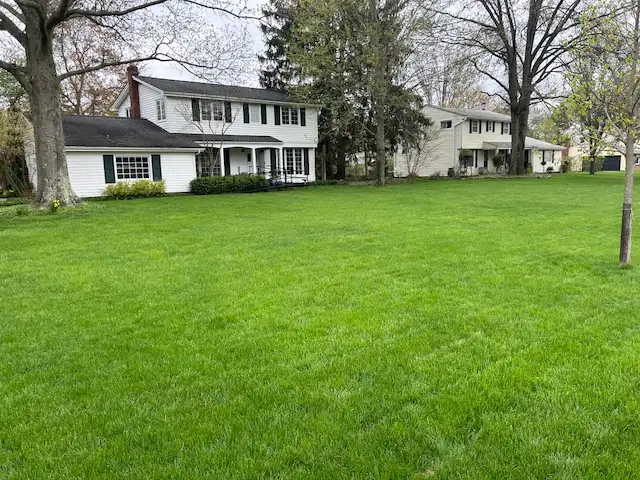
Professional treatments address turf nutrition, weeds, and other lawn-health concerns, but everyday mowing and watering still influence the result. Cutting too short, removing too much leaf at once, or watering only the surface can add stress during Parma's hottest weeks.
Field of Dreams Lawn Care Inc. provides treatment-based lawn care and pest control—not mowing or landscaping. Homeowners continue routine mowing and watering, while the team handles the agreed applications, monitors the lawn, and offers property-specific recommendations.
The short answer: steady care beats sudden corrections
Keep the mower blade sharp, avoid scalping, adjust watering to rainfall, and limit heavy traffic when turf is stressed. Follow any instructions provided for a specific application, since watering and re-entry guidance can vary by treatment.
How high should a Parma lawn be mowed?
Avoid removing more than one-third of the grass blade in a single mowing. Leaving adequate leaf surface helps the plant shade its root zone and withstand heat, while cutting too much at once can expose soil and add stress.
Exact height depends on the turf and season, so focus on the one-third rule rather than forcing the lawn to the shortest mower setting. Keep the blade sharp, change direction periodically, and delay mowing when the lawn is severely dry or wilted.
When should you water after a treatment?
Follow the directions left for the specific application. Some treatments need watering to move material into the soil, while others need time on the leaf surface. Weather can also change the recommendation, so the instructions for one visit should not automatically be reused after the next.
Keep people and pets off the treated area for the advised period. If rain arrives unexpectedly or the instructions are unclear, contact the lawn care team before changing the schedule on your own.
How should watering change during dry weather?
During dry stretches, deeper and less frequent watering generally supports deeper roots better than brief daily sprinkling. Water early in the day, account for rainfall, and pay attention to runoff: compacted soil may shed water before it reaches the root zone.
- Water early enough that the lawn can dry before night.
- Avoid frequent, shallow watering that keeps only the surface damp.
- Account for rainfall instead of watering on an automatic calendar alone.
- Follow the instructions provided for the specific treatment visit.
What does summer stress look like?
A good answer depends on when you start and what the lawn is experiencing. Weed pressure may call for a different first step than thin turf, compaction, or suspected insect damage. Summer heat and limited moisture can also change the pace and purpose of a treatment, while fall often provides a more useful recovery window for roots, aeration, and overseeding.
Ask the provider to separate near-term priorities from later seasonal work. This gives you a more realistic picture of the first few visits and avoids the expectation that every visible issue should change at the same rate.
What lawn care remains the homeowner's responsibility?
Field of Dreams does not provide mowing or landscaping. Homeowners continue mowing and watering while the company performs the agreed treatments. One widely used mowing guideline is the one-third rule: avoid removing more than one-third of the grass blade at once. Taking off too much can add stress, especially during hot or dry conditions.
Ask for any after-application instructions and follow them for that specific visit. Also tell the provider about recent seed, irrigation changes, or other products used on the lawn so those details can be considered when service begins.
When is a wet area more than a watering issue?
Persistent soggy areas, erosion, or runoff paths deserve attention, but fertilizer and weed control do not correct grading, downspout, or drainage problems. Make sure those symptoms are part of the conversation so the lawn recommendation does not treat a site condition as if it were only a turf issue.
For Parma properties, periods of heavy rain can also expose low areas and compacted routes through the yard. Note where water collects and how long it remains; that context helps distinguish a lawn-care concern from work that may require a drainage or landscape specialist.
When should you request a follow-up visit?
Ask who you contact, how the concern is reviewed, and whether follow-up is included. Field of Dreams offers free service calls for active lawn care customers. That gives customers a direct route back to the local team when a weed or turf concern needs another look between scheduled treatments.
A simple between-visit routine
Check the weather, mow only when the lawn needs it, leave enough leaf surface to protect the plant, and watch for new weeds or unusual damage. If a concern persists, note where it appears and contact the Field of Dreams team for another look.
Mowing and Watering FAQ
Get Clear Answers for Your Parma Lawn
Share your Parma property address and what you are seeing in the lawn. Field of Dreams Lawn Care Inc. can review the service options, explain a sensible starting point, and prepare a free estimate.