
What It Solves
Hard Soil Is Usually a Root-Zone Problem
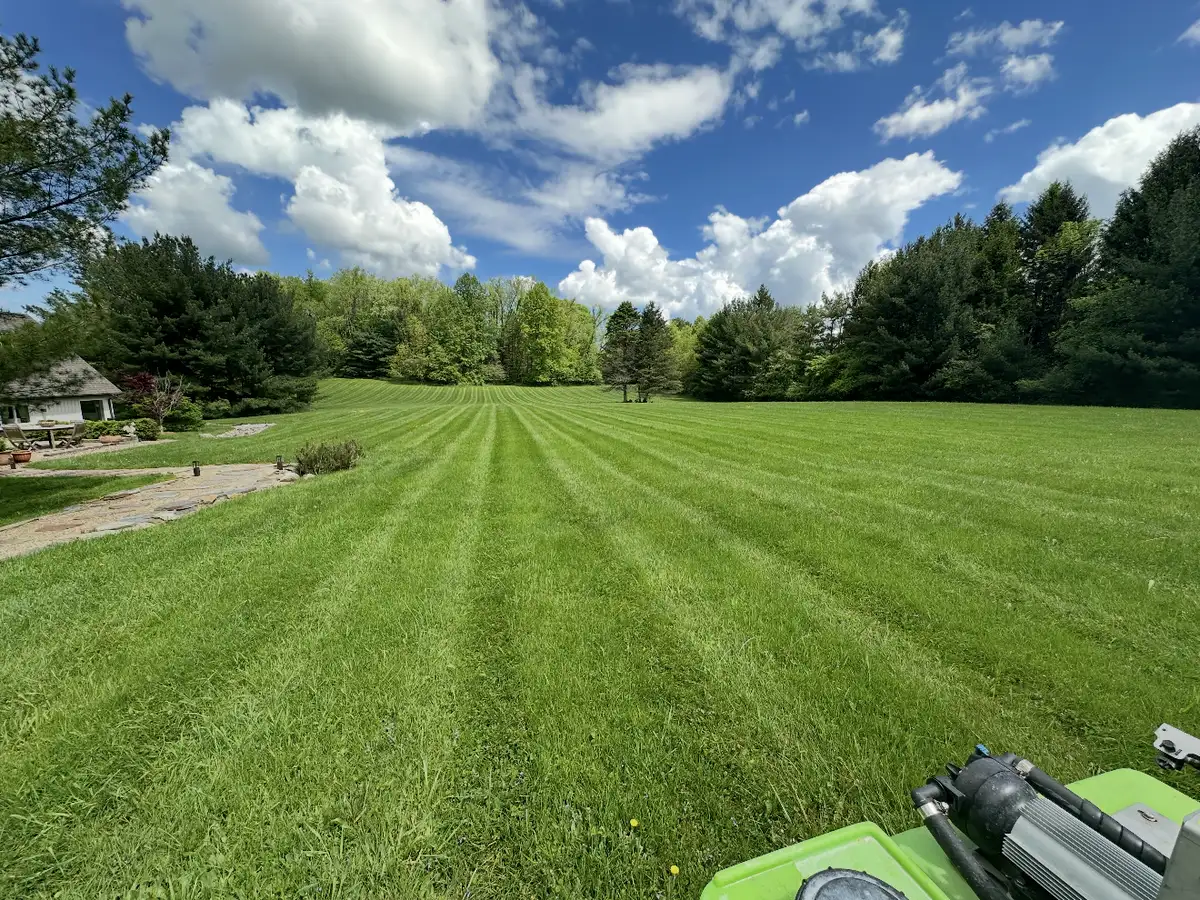
Many Northeast Ohio lawns decline even when they receive fertilizer because the soil surface has become too dense for roots to use that nutrition. Clay particles pack tightly after years of mowing, foot traffic, heavy rain, snow, and summer dry spells. Water starts running across the surface instead of soaking in, fertilizer stays near the thatch layer, and grass roots remain shallow.
Core aeration removes thousands of small plugs from the lawn. Those openings give the soil room to exchange air, absorb water, and receive nutrients where roots can actually use them. The plugs break down naturally on the surface and return organic material to the turf.
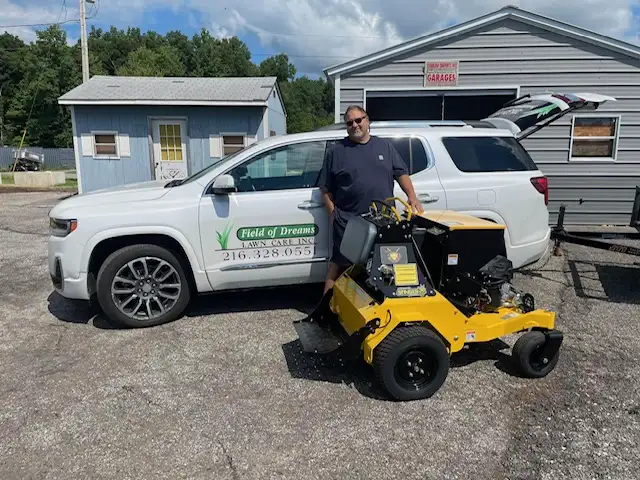
This is different from spike aeration, which only pushes holes into the ground and can compact the surrounding soil even more. Field of Dreams uses plug aeration equipment because removing soil cores is the reliable way to relieve compaction in Cuyahoga, Medina, Summit, and Lorain County clay.
When to Schedule
Best Timing for Plug Aeration in Ohio
Core aeration works best when cool-season grass is actively growing and soil has enough moisture for clean plug removal.
Early Fall
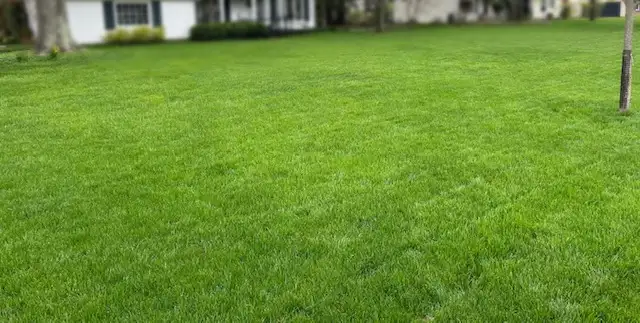
September into early October is the preferred window because Kentucky bluegrass, ryegrass, and fescue recover quickly. Cooler nights and steadier moisture help the lawn close holes and deepen roots before winter.
Spring Option
Spring aeration can help lawns with severe compaction or drainage issues, but it must be timed around crabgrass prevention. We review your program schedule before recommending spring work.
Avoid Drought Stress
Very dry soil produces poor plugs and stresses turf. If summer drought has hardened the lawn, we wait for rainfall or irrigation so the equipment can pull cores cleanly.
Aeration Visit
What Happens During the Service
Before the visit, sprinkler heads, invisible fence lines, and shallow utility items should be marked so the technician can work safely. The lawn should be mowed and free of heavy debris. Once on site, our technician checks soil moisture, slope, access points, and high-traffic areas that may need additional attention.
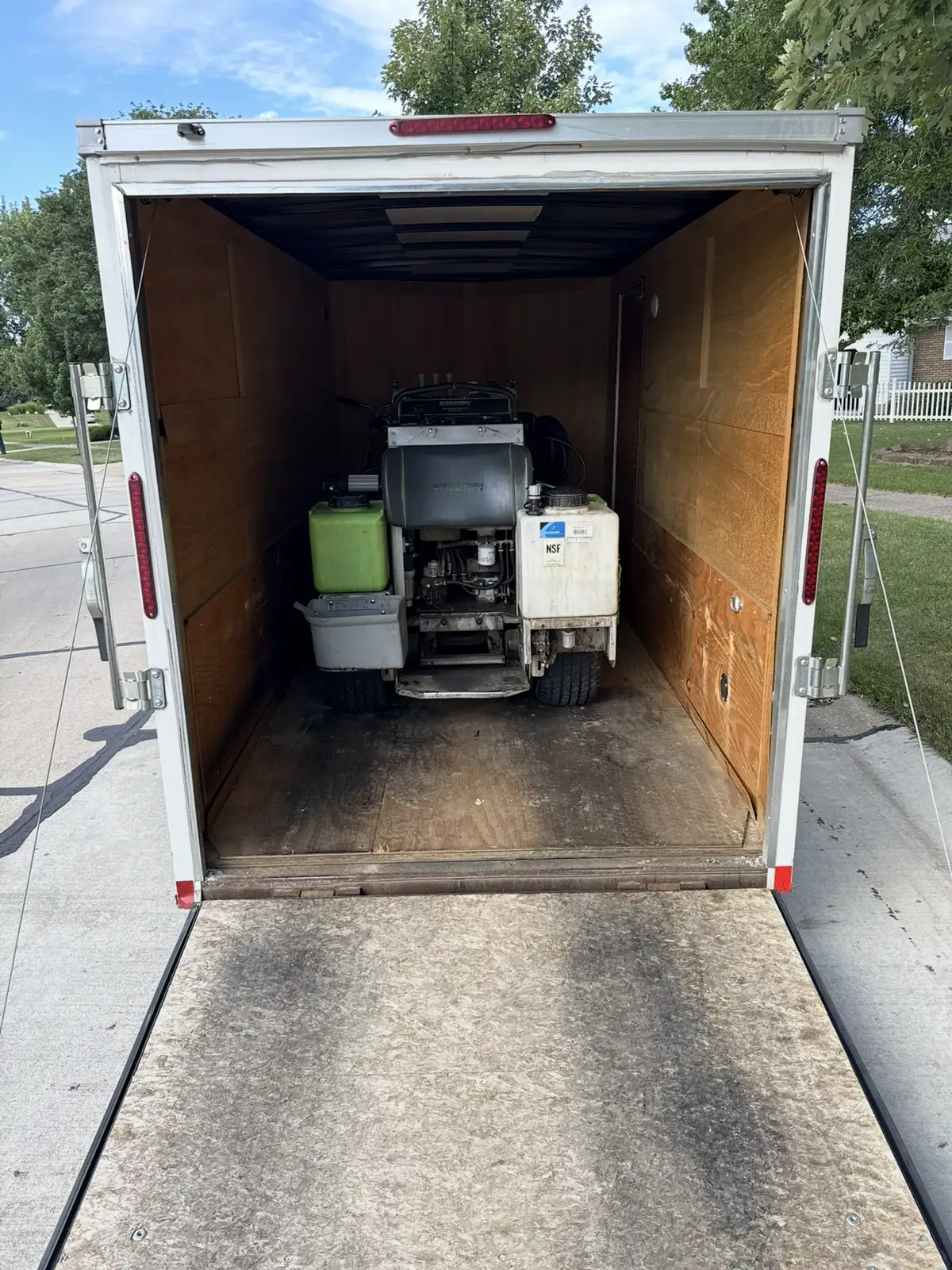
The aerator is run across the lawn in a pattern designed for even coverage. Areas near driveways, walkways, play spaces, and compacted side yards often receive extra passes because those zones see the most pressure. Soil plugs are left in place because they are beneficial, not messy waste. Rain, mowing, and normal lawn activity break them apart over the next couple of weeks.
After aeration, water moves more evenly into the soil, fertilizer applications perform better, and roots have room to expand. Homeowners often notice less puddling and better color response after the next scheduled feeding.
Aeration or Overseeding
When Aeration Alone Is the Right Choice
Aeration and overseeding are often paired, but not every lawn needs seed every year. If the turf is already dense but the soil is compacted, a stand-alone aeration visit can improve water movement, root growth, and fertilizer uptake without adding seed. This is common on established lawns that look good but feel hard underfoot or dry out too quickly in July and August.
If thin areas, bare patches, or mixed turf varieties are the bigger concern, the combined core aeration and overseeding service may be a better fit. Field of Dreams can recommend the right route after looking at density, shade, soil condition, and your current treatment program.
Property Review
How We Decide Whether Aeration Will Help
Good aeration recommendations start with the property, not the calendar alone. Field of Dreams looks at how the lawn is used, where water sits after rain, how quickly the soil dries, and whether the turf responds normally to fertilizer. A lawn that stays pale after feeding, sheds water on slopes, or shows thin strips beside driveways often has a compaction issue that nutrients alone cannot correct.
We also look at practical access. Tight gates, steep side yards, invisible fence lines, irrigation heads, drain caps, and shallow landscape lighting all affect how the aeration route should be handled. Marking those items before the visit lets the technician focus on even coverage while avoiding damage to hidden fixtures.
For customers already on a Field of Dreams program, aeration fits into the larger treatment schedule. We coordinate it with fall fertilizer, weed control, grub prevention history, and any overseeding plans so one service does not work against another.
Aftercare
What to Expect After Core Aeration
The Plugs Stay Put
Soil cores may be visible for a week or two. Leave them in place so rain and mowing can break them down and return soil biology to the surface.
Water Moves Differently
After aeration, water should soak into compacted areas more easily. Normal rainfall is usually enough, but light irrigation helps if fall weather turns dry.
Treatments Work Better
Open channels help fertilizer and soil amendments reach active roots instead of sitting in the thatch layer, which is why aeration supports the full lawn program.
Aeration is not an instant cosmetic service. It is a soil-health step that helps the lawn use the rest of the program more efficiently over the following weeks and growing seasons.
Related Services
Services Often Paired With Aeration
Many compacted lawns also need supporting treatments. Lawn fertilization supplies the nutrition roots can use after soil opens up. Weed control protects the turf canopy while grass thickens. Lime applications may be recommended when acidic soil limits nutrient availability, and grub protection helps prevent root loss that can undo turf gains.
Service timing depends on the city and the season. Our routes cover Independence, Parma, Strongsville, North Royalton, Medina, Brunswick, Cleveland suburbs, and nearby Northeast Ohio communities. If your lawn is compacted and thin, the estimate process can compare stand-alone aeration with aeration plus overseeding so you understand the tradeoff before scheduling.
Questions
Core Aeration FAQ
Open Up Your Lawn's Root Zone
Schedule professional core aeration from a family-owned Northeast Ohio lawn care company serving the region since 1997.