
Beyond Turf
Ornamental Plants Need Their Own Care Plan
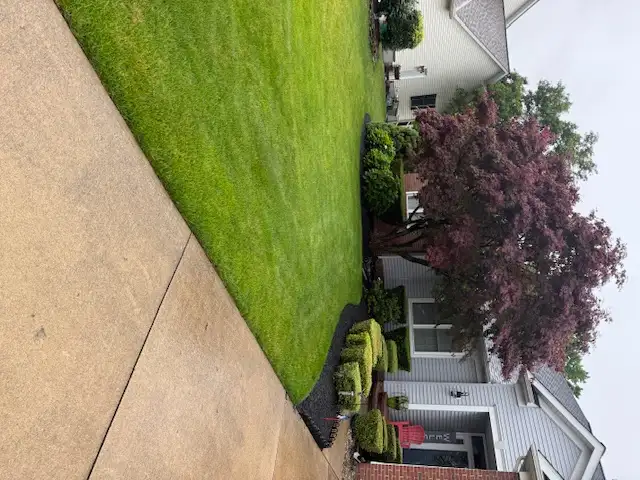
Healthy turf can still sit beside stressed shrubs, thin evergreens, yellowing ornamentals, or plants damaged by winter wind and road salt. Trees and shrubs grow in mulched beds, foundation plantings, and exposed corners where soil moisture, pH, root competition, and snow load differ from the open lawn.
Our tree and shrub care service begins with observation. We look for signs of nutrient deficiency, dieback, poor color, pest pressure, salt exposure, compacted bed edges, and plants that are planted too deeply or crowded by mature roots. Not every issue is solved by fertilizer, so the first step is identifying what is actually limiting the plant.
When feeding is appropriate, we can recommend the dedicated tree and shrub feeding service. When the issue is cultural, drainage-related, or seasonal stress, we explain those factors honestly so expectations stay realistic.
Care Factors
What We Review Around Trees and Shrubs
Plant Color and Density
Pale leaves, sparse evergreen growth, and weak spring flush can point to nutrient stress, root competition, or winter injury.
Bed and Soil Conditions
Mulch depth, soil compaction, drainage, pH, and nearby turf competition all affect how well ornamentals can absorb moisture and nutrients.
Seasonal Exposure
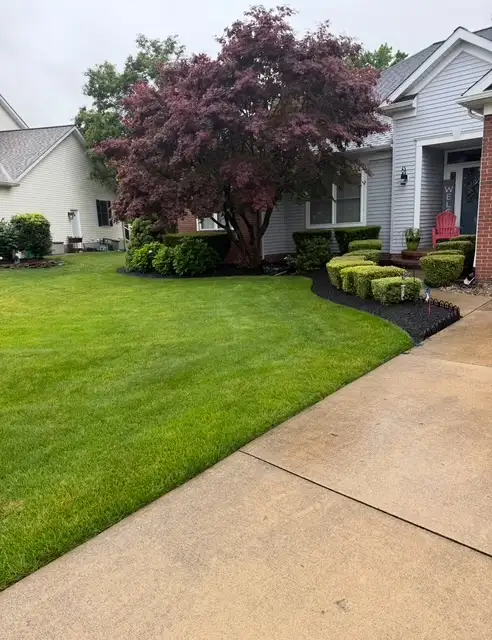
Foundation beds face reflected heat, roof runoff, road salt, snow piles, and winter wind. Those exposures shape the care recommendation.
Common Plants
Care for Northeast Ohio Ornamentals
Our service area includes many landscapes with boxwood, arborvitae, yew, hydrangea, spruce, ornamental pear, Japanese maple, serviceberry, burning bush, and mature shade trees. Each species reacts differently to winter burn, drought, alkaline or acidic soil, and feeding timing.
Evergreens often show stress slowly because they hold foliage year-round. Deciduous shrubs may reveal problems through weak flowering, smaller leaves, or early fall color. Young plants need establishment support, while mature shrubs may need maintenance care to hold color and density.
Field of Dreams does not present tree and shrub care as a substitute for pruning, removal, or arborist work. If a plant appears structurally unsafe or diseased beyond our service scope, we recommend getting the correct specialist involved.
Seasonal Rhythm
How Plant Care Changes Through the Year
Spring Check
Spring is when winter injury, salt damage, vole activity, and weak bud break become visible. Early observations help decide whether feeding or recovery time is appropriate.
Summer Monitoring
Heat, drought, insects, and irrigation patterns show up in leaf color and wilting. Summer care focuses on stress signals and realistic expectations during dry weather.
Fall Support
Fall is a useful time to build root reserves before winter. When plants are good candidates, feeding supports color, density, and stronger recovery the following spring.
Foundation Beds
Why Shrubs Near the House Decline First
Foundation plantings live in some of the hardest conditions on the property. Roof overhangs can keep rainfall from reaching roots, downspouts can flood one corner while leaving another dry, and reflected heat from brick, siding, concrete, or stone can raise summer stress. Mulch piled too deeply around stems can hold moisture against bark while still leaving feeder roots dry below the surface.
These conditions are common across Northeast Ohio subdivisions and older neighborhoods. Boxwoods may bronze after winter wind, arborvitae may thin along the driveway side, and hydrangeas may wilt quickly in reflected afternoon heat. A useful tree and shrub care visit separates nutrient need from exposure, drainage, planting depth, and watering patterns.
When Field of Dreams reviews a property, we connect those plant observations with the surrounding lawn program. A healthy lawn and a stressed landscape bed may need different solutions even though they are only a few feet apart.
Care Boundaries
What This Service Does and Does Not Replace
Tree and shrub care from Field of Dreams is plant-health support within our lawn and property-care program. It can include observation, feeding recommendations, seasonal stress review, and practical guidance for ornamental beds. It does not replace structural pruning, tree removal, cabling, stump work, or advanced disease diagnosis from a certified arborist.
That distinction protects the customer. If a mature maple has a cracked limb over the driveway, if a spruce is declining from a serious disease, or if a large tree needs climbing work, the right answer is a qualified tree specialist. If shrubs are pale, thin, slow to recover from winter, or competing with compacted soil and turf roots, our service can often help identify the next practical step.
We also look for simple cultural issues that homeowners can correct: mulch volcanoes, irrigation overspray, lawn herbicide drift into beds, plants buried too deep, or shrubs crowded by newer growth. Correcting those details often improves results more than adding product alone.
Connected Services
Plant Health Works Best With the Whole Property in Mind
Tree and Shrub Feeding
When ornamentals need nutrition, the dedicated feeding service supports root reserves, color, and density without treating the bed like open turf.
Lime and Soil Balance
Soil pH affects lawns and landscape beds differently. Testing and lime recommendations help avoid guessing when plant color looks weak.
Surface and Foundation Insects
Crawling pests, ants, ticks, fleas, and mosquitoes often use bed edges and foundation zones. Pest services can be coordinated with plant care.
For customers in Independence, Cleveland suburbs, Medina County, Lorain County, Summit County, and nearby service areas, the estimate can include turf and ornamental concerns together so the plan is easier to manage.
Questions
Tree & Shrub Care FAQ
Care for the Plants Around the Lawn
Ask Field of Dreams to review your tree and shrub needs as part of a complete property-care plan.