
Published | By Field of Dreams Lawn Care Inc.
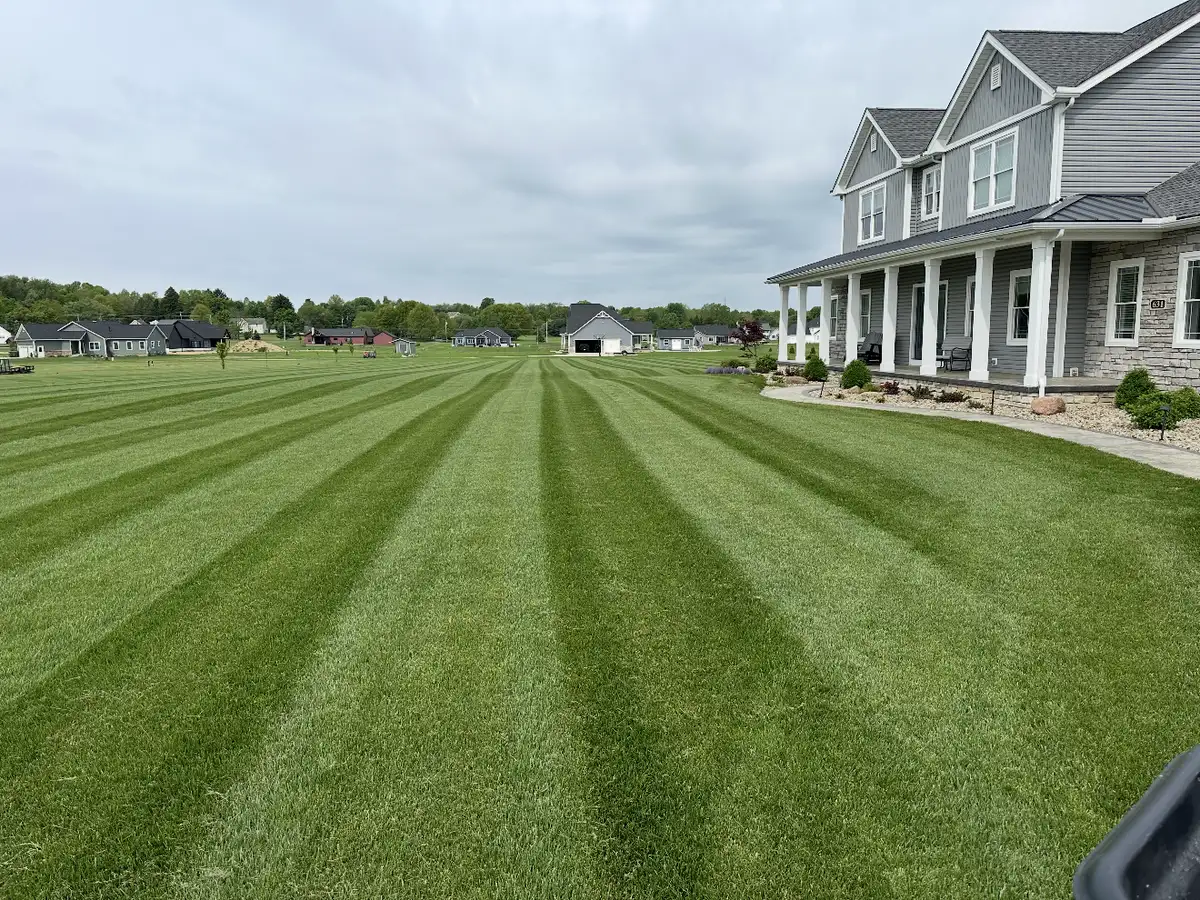
By early August, a Parma lawn may show several kinds of stress at once: dull color after dry weather, weeds spreading through thin turf, hard soil, or irregular brown areas. They can look similar from the curb, but they do not all call for the same response.
The useful first step is to separate problems that are active now from repairs that perform better in fall. Field of Dreams Lawn Care Inc. provides treatment-based lawn care and pest control for the Parma service area, with recommendations shaped by the lawn's condition and the remaining growing season.
Start with an August lawn triage
Look for patterns before treating the whole lawn as one problem. Uniform dullness during a dry stretch points toward moisture and heat stress. Individual weeds, turf that pulls loose, animal digging, or the same thin strip returning year after year suggest different causes that deserve a closer look.
What should be handled during late summer?
Active weeds and possible insect damage should be identified while the symptoms are visible. Mowing and watering habits also deserve attention during hot weather because cutting too short or watering too lightly can compound stress.
Field of Dreams focuses on lawn treatments such as fertilization, weed control, and related turf-health services rather than mowing or landscaping. Homeowners continue mowing and watering, adjusting those routines to the weather and instructions for the specific application.
Which symptoms need a closer diagnosis?
A useful conversation goes beyond square footage. Mention recurring weeds, thin or pale turf, areas that feel hard underfoot, sudden patches of damage, mature shade, standing water, heavy foot or pet traffic, and any recent seeding or products applied to the lawn.
Parma lawns share Northeast Ohio's cool-season growth cycle, but neighboring properties can behave differently. Sun exposure, drainage, soil compaction, turf density, and everyday use can change which concern deserves attention first. The provider should be able to explain how the proposal relates to the conditions visible at your address.
What should wait for the fall growing window?
Cooler temperatures and dependable moisture make fall the stronger recovery period for Northeast Ohio's cool-season turf. Thin or compacted areas may be candidates for aeration and overseeding, while the seasonal treatment plan can shift from summer stress management toward roots and recovery.
- Mark thin or compacted areas that may benefit from fall aeration.
- Identify bare areas where overseeding may help rebuild density.
- Note shade, drainage, and traffic patterns that seed alone cannot correct.
- Keep stressed turf at a sensible mowing height before cooler weather arrives.
This is also why generic annual price ranges have limited value. A mowing price, a one-time application, and a recurring lawn treatment program are not equivalent. A written, property-specific estimate gives you a better basis for comparison.
How do aeration, overseeding, grub protection, and lime differ?
Not every lawn needs every service at the same time. Core aeration and overseeding may be discussed for compacted soil and thin turf. Grub protection addresses a different risk, while lime applications should be considered in the context of the lawn and soil rather than treated as an automatic add-on.
Ask which recommendations belong in the current season, which can wait, and what evidence supports each one. That turns a list of services into a plan you can understand.
Build a two-part late-summer and fall plan
Timing matters because the lawn's priorities change through the year. In early August, homeowners may be noticing heat stress, active weeds, thinning, or possible insect damage. This is also a useful time to discuss whether compacted or sparse areas should be evaluated for fall aeration and overseeding.
A trustworthy answer should separate immediate needs from later work. It should also account for weather and current lawn condition rather than promise that every issue will improve on the same schedule. Ask what the first visit is meant to accomplish and what signs the provider will watch during the next part of the season.
Support recovery between treatment visits
Professional applications still depend on ordinary homeowner care. Ask how mowing height, watering, traffic, pets, recent seed, and access affect the next visit. Follow the instructions given for the specific treatment rather than relying on a single routine for every application.
If part of the lawn stays soggy or runoff repeatedly crosses the same area, say so during the estimate. Fertilization and weed control do not repair grading, downspouts, or drainage. Identifying that difference early helps keep the lawn plan focused on problems it can reasonably address.
Ask for another look when symptoms change
Clarify who you contact, what information helps the team review a concern, and whether follow-up is included. Field of Dreams offers free service calls for active lawn care customers. If weeds or turf concerns appear between scheduled treatments, customers have a direct path to ask the local team for another look.
The goal is the right work at the right time
A useful recovery plan explains which symptoms need action now, which areas should be monitored, and which improvements belong in fall. That seasonal sequence is more valuable than trying to force every repair during the hottest part of the year.
Late-Summer Lawn Recovery FAQ
Plan Your Parma Lawn's Fall Recovery
Tell Field of Dreams Lawn Care Inc. where the lawn is stressed, thin, weedy, or damaged. The local team can review the property and recommend an appropriate late-summer and fall starting point.